kulguru
GIIN, Lucknow: The University Grants Commission has prepared a new NAAC evaluation system for universities and colleges. Now, educational institutions will be evaluated on the basis of 12 categories. The NAAC evaluation fee is also being planned to be reduced from three lakh rupees to one and a quarter lakh rupees. In addition, the eligibility marks for aided and private colleges will also be reduced to only 40 percent, compared to 55 and 45 percent for central and state universities.
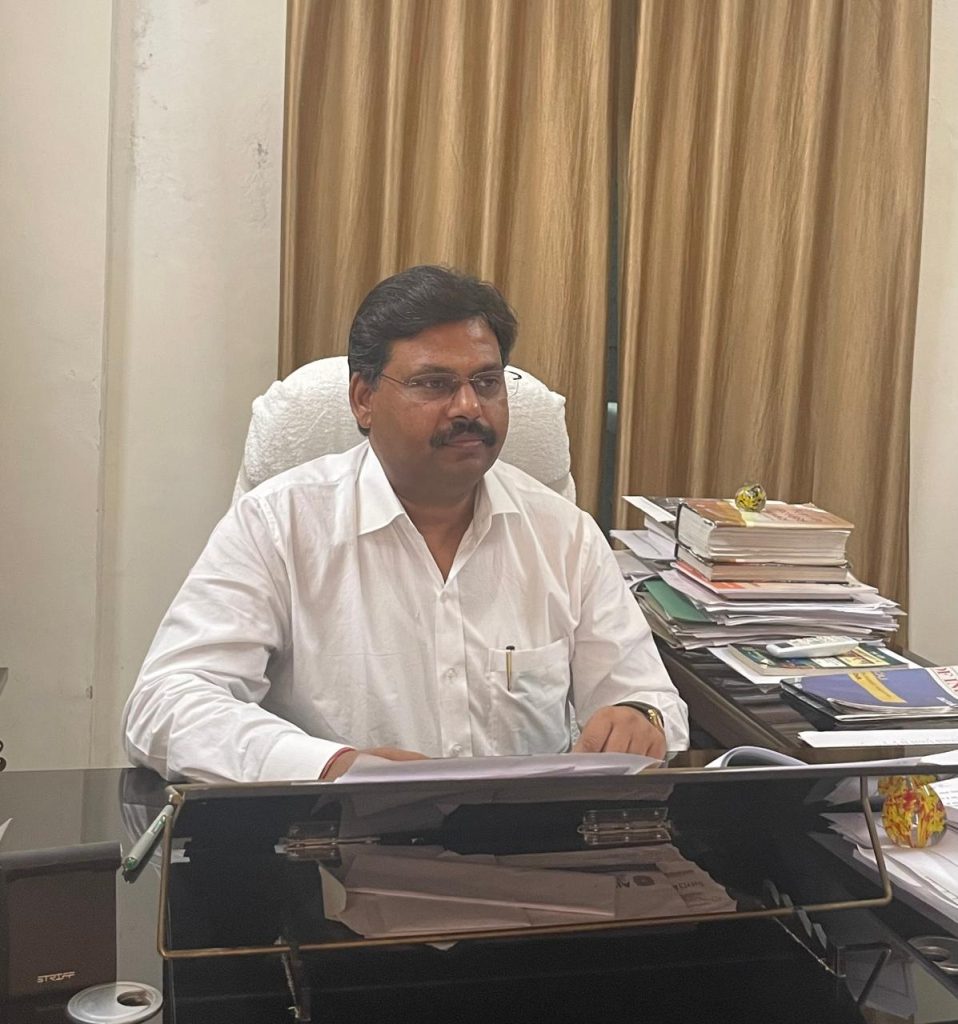
Prof. Anup Kumar Singh
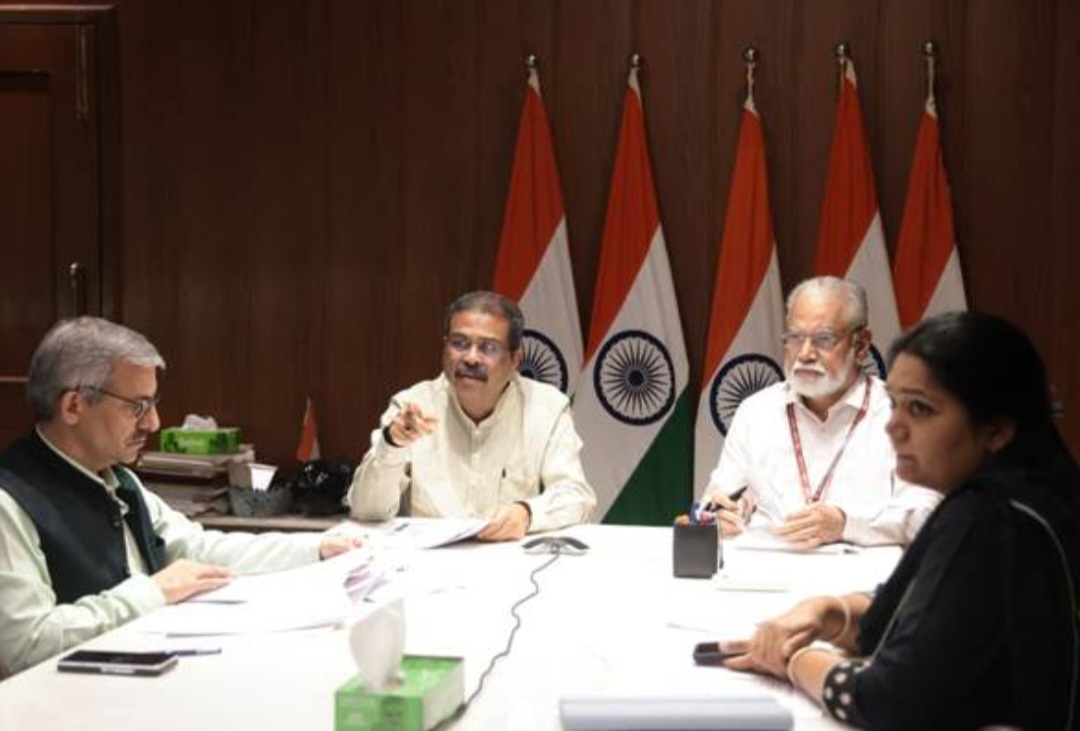
NAAC (National Assessment and Accreditation Council), an autonomous institution under the Ministry of Education, had formed the Radhakrishnan Committee to improve the NAAC evaluation process. The committee gave important recommendations to remove the irregularities present in the earlier evaluation process. The committee was formed after questions and irregularities (including cases of bribery) related to NAAC evaluation came to light in recent years. The recommendations given by the committee to make the evaluation transparent and fair have been reviewed by a high-level committee of the NAAC Evaluation Board. This committee includes the only member from Uttar Pradesh, Prof. Anoop Kumar Singh, who is the Principal of PPN PG College in Kanpur. Apart from him, the high-power committee includes the Director of IIT Madras, the Vice-Chancellors of National Law University Bengaluru, Devi Ahilyabai University Indore, Delhi University, and principals of various colleges across the country. The committee has studied the recommendations of the Radhakrishnan Committee. The high-power committee has now decided on several important changes in the NAAC evaluation process. These changes may be implemented in December 2025.
Prof. Anoop Kumar Singh, a member of the high-power committee, said that 12 new categories are being created to make the NAAC evaluation process transparent and impartial. This will help distinguish the resources and educational goals of large institutions like IITs and institutions in smaller cities. By setting different standard levels, institutions in smaller cities will also be able to be part of the process of gradual development. Under this, the eligibility marks for educational institutions have also been reduced compared to national and state universities. Private and aided colleges will now need to obtain only 40 percent eligibility marks to be included in the NAAC evaluation, whereas 45 percent will be required for state universities and 55 percent for central universities. Colleges will now be placed only in the NAAC “Accredited” or “Not Accredited” categories. The evaluation fee is also being reduced from three lakh rupees to one and a quarter lakh rupees so that small institutions do not face any extra financial burden. To make the evaluation process transparent, digital evaluation is being strengthened. Now, no NAAC team will visit any educational institution for inspection. Instead, certified copies of all required documents in support of NAAC accreditation will be submitted. The evaluation process will be completed on the basis of digitally certified (geo-tagged) records. For physical verification, NAAC assessors will no longer visit institutions. This responsibility is also being given to government agencies.
Categories in which evaluation will be different:
Management colleges, law colleges, state and central universities, institutions of national importance, affiliated colleges, autonomous colleges, constituent colleges, research universities, rural and remote colleges, multidisciplinary colleges or universities, and skill universities.


 Jyoti
Jyoti