Jyoti
Jyoti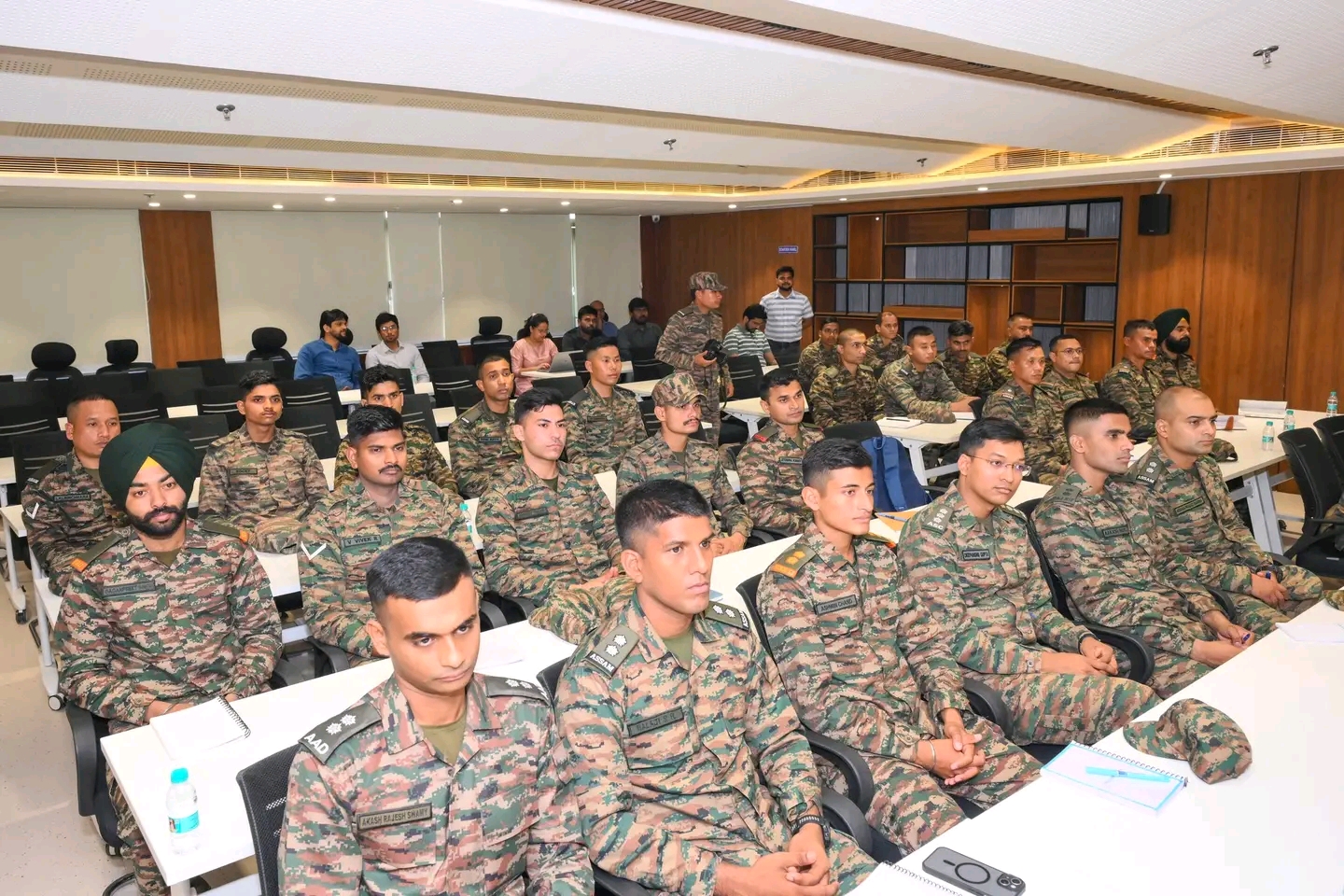
47 frontline personnel from Kanpur Cantonment complete intensive two-day digital security training against evolving national threats
G-INews KANPUR — In a major step toward bolstering national security against modern digital warfare, C3iHub—the Technology Innovation Hub at the Indian Institute of Technology Kanpur (IIT Kanpur)—has officially commenced its training under the flagship “CyberSuraksha Initiative.” Organized in strategic partnership with realme India, the inaugural batch of this specialized program features an intensive, two-day Cybersecurity & Cyber Defense Workshop tailored specifically for India’s frontline defense personnel.

The premier workshop took place from May 28 to May 29, 2026, at the high-tech C3iHub campus within IIT Kanpur.
Direct Reinforcement for the Frontlines
The debut batch brought together 47 selected personnel from the Indian Army, creating a vital bridge between elite academic research and field operations. The cohort comprised a diverse rank structure ensuring operational integration across units:
- Commissioned Officers providing leadership strategy.
- Junior Commissioned Officers (JCOs) managing tactical executing frameworks.
- Jawans representing ground-level operational units.
All participating personnel were drawn from active units stationed under the Kanpur Brigade Station, Kanpur Cantonment, directly localizing the immediate strategic impact of the training.

Neutralizing Tomorrow’s Threats Today
As modern defense paradigms shift toward asymmetric cyber warfare, critical national infrastructure and institutional frameworks are facing highly sophisticated, evolving threats. The CyberSuraksha Initiative was specifically conceptualized to mitigate these vulnerabilities through aggressive, structured defense training.

The comprehensive curriculum was executed via immersive practical modules, live-action threat simulations, and interactive learning labs. Frontline personnel were trained on several critical vectors:
- Threat Identification: Recognizing advanced persistent threats (APTs), social engineering tactics, and phishing vectors targeting military networks.
- Proactive Prevention: Implementing modern cyber hygiene protocols, securing personal and institutional mobile endpoints, and hardening local communication pipelines.
- Incident Response: Standardizing rapid-recovery mechanics and containment tactics during active cyber-intrusions or ransomware scenarios.